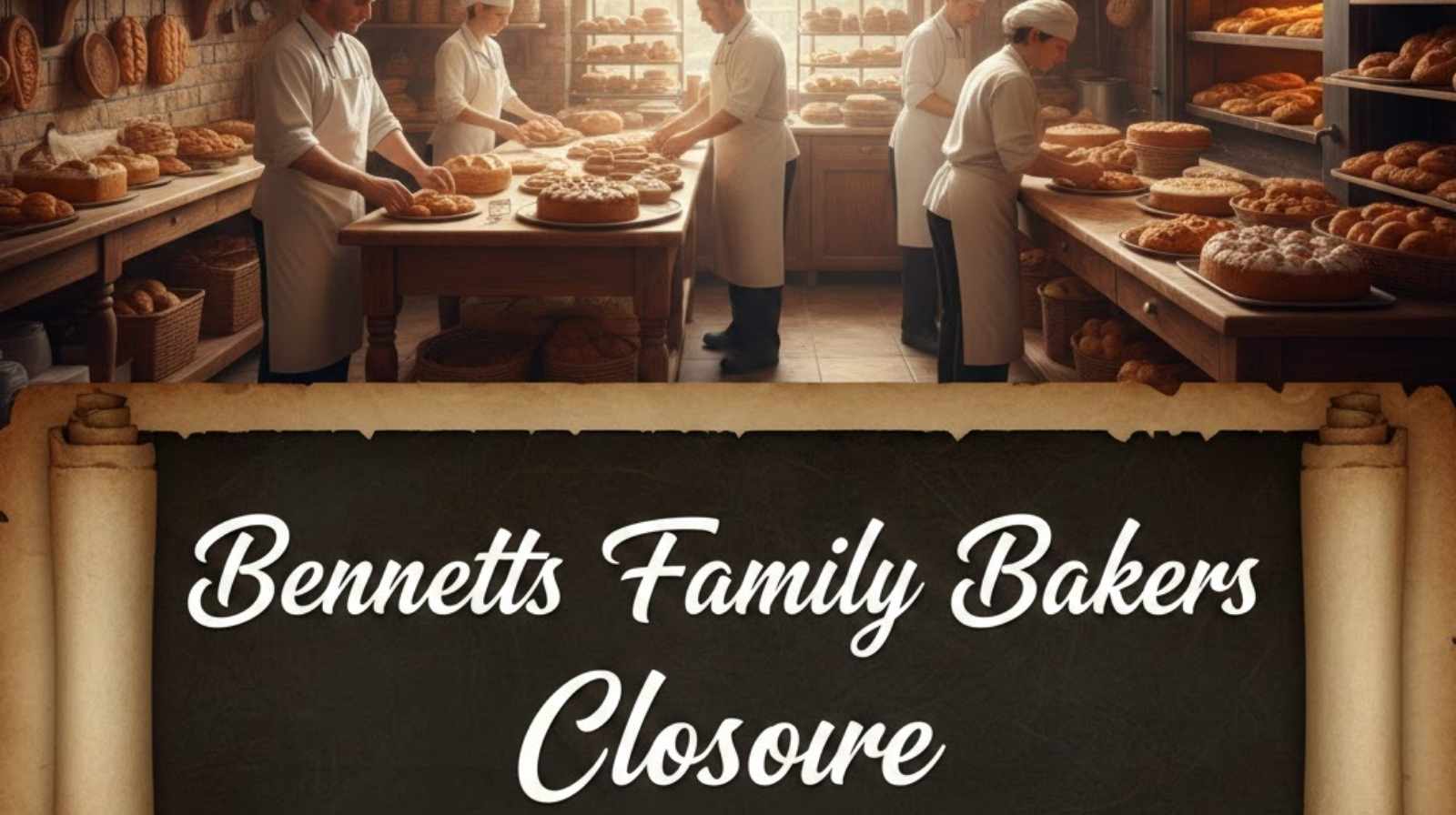
In July 2025, the announcement of the Bennetts Family Bakers Closure marked the end of a much-loved Family-operated bakery that had served customers across Dorset, England for generations. Known as a trusted Independent bakery with shops in Bournemouth and Poole, Bennetts had become a cornerstone of the local community.
This article explains how the shutdown unfolded, including the branch-by-branch closure of its Final three locations in Winton, Southbourne, Parkstone, the role of succession challenges and personal pressures, and the wider industry forces shaping the food retail sector. It also explores what happens next—for employees, shop units, equipment, and the future of the brand while placing the closure within the broader context of UK high streets and small family retail operations.
A Short Overview of the Closure
Bennetts Family Bakers was a long-established business operating as a Limited company registered with Companies House, with its base linked to Parkstone, Poole. For decades, it served traditional baked goods to residents in Bournemouth and Poole, building a loyal following.
The closure was not sudden. Instead, it happened through a Phased shutdown, culminating in the End of trading at its Final three locations—Winton, Southbourne, and Parkstone. This branch-by-branch closure allowed the business to gradually reduce operations while informing staff and customers.
The official announcement in July 2025 confirmed a Permanent closure, stating that there was No successor available to take over the Legacy business. While many customers initially hoped for a sale or ownership transition, no viable buyer emerged.
For regular customers who had relied on the bakery for morning bread, celebration cakes, and weekly treats, the news was emotional. The closure reflected deeper issues affecting Small family retail operations, particularly on UK high streets where operating conditions have grown increasingly complex.
Who Bennetts Family Bakers Were to the Local Community
A Traditional Local Bakery with Deep Roots
Bennetts was not just another retail outlet. It was a Traditional local bakery known for hand-crafted products, early morning bakes, and friendly service. For many residents in Dorset, it represented continuity—an institution that outlived changing retail trends.
Customers in Winton, Southbourne, and Parkstone often described the bakery as part of their Community identity. It was where parents bought birthday cakes for children who later brought their own families back decades later.
Customer Loyalty and Emotional Responses
Customer loyalty was strong. Unlike chain stores, Bennetts relied on repeat footfall and word-of-mouth reputation. Regular customers often knew staff by name, and staff recognized daily visitors.
When the closure was announced, emotional responses followed:
- Expressions of gratitude on social media
- Long queues before the final shops closing
- Community discussions about the decline of independent businesses
- Appeals asking whether someone could revive the brand
This reaction shows the social value of long-established businesses. A bakery like Bennetts functions not only as a commercial enterprise but as a community anchor.
The Closure Timeline: How the Shutdown Unfolded
The shutdown followed a structured pattern rather than an abrupt end.
Branch-by-Branch Closure Strategy
The company adopted a Branch-by-branch closure, reducing operational load over time. This type of phased shutdown is often used by small businesses to manage stock, staffing, and financial obligations.
The timeline unfolded roughly as follows:
- Announcement of intent to wind down operations
- Closure of selected branches
- Concentration of activity into core shops
- Final notice for Winton, Southbourne, Parkstone
- Official end of trading
This approach allowed the business to:
- Minimize sudden job losses
- Clear inventory responsibly
- Honor commitments to suppliers
By the time the Final shops closing announcement was made, it was clear that the decision was final.
The Core Reason: No Successor to Take Over
Succession Challenges in Family Businesses
At the heart of the closure were Succession challenges. The owners publicly acknowledged that there was No successor ready to take over the business.
This is one of the most common issues facing family-run enterprises across the UK. A Next generation may pursue different careers or lack the interest to manage a labour-intensive retail operation.
In a Legacy business, the ownership transition is more than a financial transaction. It requires:
- Knowledge transfer
- Operational training
- Financial risk acceptance
- Long-term commitment
When these elements are missing, a closure becomes more likely.
Ownership Transition Barriers
An effective Ownership transition requires planning years in advance. Without succession planning, even profitable businesses face closure.
For Bennetts, the absence of a clear future leader meant:
- No continuity strategy
- No internal management buyout
- No external buyer willing to maintain operations
This illustrates why succession planning is central to Business sustainability, particularly for independent bakeries.
The Human Side: Health and Caregiving Pressures
Beyond succession issues, Personal pressures played a significant role.
Running a bakery involves:
- Early starts before dawn
- Long physical shifts
- Oversight of production, retail, and compliance
Over time, this level of commitment can contribute to Burnout, especially in a Family-operated bakery where family labour is central.
Health Issues and Caregiving Responsibilities
The owners cited Health issues and Caregiving responsibilities as contributing factors. For many small business operators, there is no corporate structure to absorb absence or reduce workload.
In such businesses:
- Family labour replaces formal HR systems
- Owners cover staff shortages
- Holidays are rare
When personal capacity decreases, operational strain increases. Without additional leadership support, the closure becomes not just a business decision, but a human necessity.
Day-to-Day Operational Strain: Staffing and Running Costs
The closure must also be viewed within wider Bakery sector challenges.
Rising Operational Pressure
Key operational issues included:
- Staffing challenges
- Increasing Running costs
- Rising ingredient costs
- High energy expenses
- Wage inflation
Independent bakeries operate on Tight margins. Flour, butter, and sugar price increases directly affect profitability. Unlike large chains, small family retail operations have limited negotiating power with suppliers.
Labour Challenges in the Food Retail Sector
The wider Food retail sector continues to face Labour challenges, including difficulty recruiting skilled bakers willing to work early starts.
Operational strain accumulates through:
- Staff shortages
- Compliance requirements
- Equipment maintenance costs
- Rising rent on UK high streets
When combined with personal pressures, these factors create a tipping point for closure.
Why Closures Like This Keep Happening to Long-Standing Local Businesses
The Bennetts story is not isolated. Across Dorset and the wider UK, Independent businesses face similar pressures.
Industry Trends Driving Permanent Closures
The following structural factors are reshaping the landscape:
- Higher business rates
- Online retail competition
- Reduced high street footfall
- Energy volatility
- Changing consumer habits
These pressures disproportionately affect Long-established businesses that rely on traditional retail models.
Structural Weaknesses in Small Family Retail Operations
Unlike corporate chains, small businesses depend heavily on:
- Owner presence
- Personal sacrifice
- Informal management systems
When those pillars weaken, sustainability declines.
Succession planning, operational modernization, and financial resilience are now central to survival in the bakery sector.
What Happens to Employees After a Closure Like This
Employee Outcomes and Staff Redundancy
When an independent bakery closes, the immediate concern is staff welfare.
Employee outcomes typically include:
- Formal Staff redundancy processes
- Payment of final wages
- Distribution of statutory entitlements
- Assistance with job searching
In smaller teams, relationships are often close-knit. Many staff members feel personal loss alongside financial uncertainty.
However, skilled bakery workers often possess transferable abilities:
- Dough preparation
- Food safety knowledge
- Customer service experience
These skills are in demand elsewhere in the food retail sector, offering pathways to new employment.
What Happens to the Shops, Equipment, and Brand Name
Shop Units and Equipment Disposal
After closure, several practical steps occur:
- Lease termination or transfer
- Sale or disposal of bakery equipment
- Clearing stock and fixtures
Shop units in Winton, Southbourne, and Parkstone may be repurposed by other retailers. High-demand areas in Bournemouth and Poole often attract new tenants quickly.
Brand Revival Possibilities
The brand name raises interesting possibilities:
- Sale of intellectual property
- Potential franchise or brand revival
- Community buyout scenarios
In some cases, a legacy brand is revived under new ownership. However, this requires capital, leadership, and a clear operational plan.
Without that, the business remains a permanent closure.
Wider Context: Bakery Sector and Business Sustainability
To understand the closure fully, it helps to compare key operational stressors:
| Factor | Impact on Independent Bakeries | Long-Term Effect |
| Rising ingredient costs | Reduced profit margins | Higher retail prices |
| Staffing challenges | Limited production capacity | Burnout risk |
| Succession challenges | No continuity plan | Closure risk |
| High street cost pressure | Increased overhead | Consolidation |
| Labour challenges | Recruitment difficulty | Operational strain |
Conclusion
The closure of Bennetts Family Bakers represents more than the end of a business. It reflects the vulnerability of Independent businesses in Dorset, England and beyond. From succession challenges and health issues to rising ingredient costs and staffing challenges, the decision was shaped by overlapping personal and economic pressures.
For the local community in Bournemouth and Poole, the emotional impact is significant. A traditional local bakery contributes to community identity in ways that go beyond financial measures.
The case also serves as a lesson in business sustainability. Long-standing businesses must prioritize succession planning, operational resilience, and workload balance if they are to survive.
While the end of trading marks the final chapter for Bennetts in its current form, the story highlights both the value and fragility of small family retail operations in today’s food retail sector.

Hery Jack with 2 years of experience in creating captivating caption articles, crafts engaging, inspiring, and relatable content that resonates with readers and enhances social media presence. He specializes in crafting content that is relatable, meaningful, and shareable, helping individuals and brands enhance their social media presence.